


Summer is one of those seasons that most of us genuinely look forward to. The longer days, the warmth in the air, the outdoor gatherings, the beach trips. But if there is one thing summer does not go easy on, it is your skin. Between the relentless sun, the humidity, the sweat, and the constant switching between air-conditioned rooms and scorching outdoor heat, your skin takes a serious beating during these months.
The good news is that summer skincare does not have to be complicated. You just need to understand what your skin is going through and make a few smart adjustments. This guide covers everything from sun protection and hydration to dealing with sweat, adjusting your diet, and keeping your skin healthy no matter how hot it gets outside.

Why Hot Weather Changes Everything for Your Skin
Before jumping into tips and product recommendations, it helps to understand what is actually happening to your skin when temperatures rise. Your skin is not passive in hot weather. It is working overtime.
When it is hot, your body sweats to cool itself down. That sweat sits on your skin, mixes with sebum (your skin’s natural oil), sunscreen, and environmental pollutants, and creates the perfect breeding ground for bacteria. That is often why people who never break out during cooler months suddenly find themselves dealing with pimples and clogged pores in summer.
Heat also increases blood flow to the skin’s surface, which can make conditions like rosacea, redness, and sensitivity worse. And of course, the sun itself is a whole different conversation. UV radiation in summer is significantly stronger, meaning the risk of sunburn, pigmentation, and long-term skin damage goes way up.
Then there is dehydration. Hot weather increases water loss through the skin, which is called transepidermal water loss. Even if you drink plenty of water, your skin can still feel tight, dull, or parched if you are not actively sealing that moisture in.
Understanding all of this makes the skincare choices that follow feel less like arbitrary rules and more like practical responses to what your skin is actually experiencing.
Sunscreen: The Single Most Important Step You Cannot Skip

Let us start with the big one. Sunscreen is not just a nice-to-have in summer. It is non-negotiable. Full stop. And yet, so many people either skip it, apply it wrong, or use far too little for it to actually work.
Here is what you need to know. SPF stands for Sun Protection Factor, and it measures how well a sunscreen protects against UVB rays, the ones responsible for sunburn. But UVA rays, which go deeper into the skin and cause premature aging and contribute to skin cancer, also need to be blocked. This is why you should always look for a broad-spectrum sunscreen, meaning it protects against both UVA and UVB.
For everyday use in summer, SPF 30 is the minimum you should be reaching for. If you are going to be outdoors for extended periods, swimming, or sitting near reflective surfaces like water or sand, go for SPF 50 or higher.
The amount matters just as much as the SPF number. Most people use about 25 to 50 percent of the amount they actually need. For your face alone, you need about half a teaspoon. For your full body, roughly a shot glass worth. If you are using less than that, your actual protection is significantly lower than what is printed on the bottle.
Reapplication is equally important and far too often overlooked. Sunscreen does not last all day. It breaks down when exposed to heat, sweat, and UV rays. Reapply every two hours if you are outside, and immediately after swimming or heavy sweating.
Finding a sunscreen you enjoy using makes all the difference in consistency. If you hate the feel of thick, white, greasy sunscreens, try a lightweight fluid formula, a gel-based option, or a mineral sunscreen with a tinted finish. There are so many excellent options now that there is really no reason to go without.
Lighten Up Your Moisturizer
One of the biggest and most common summer skincare mistakes is continuing to use the same heavy moisturizer you relied on during colder months. What felt like a saving grace in dry winter air can feel suffocating and pore-clogging in summer heat.
In hot and humid weather, your skin produces more sebum on its own, so it needs less help from thick, occlusive products. Swapping out your heavy cream for a lightweight gel moisturizer or a water-based lotion can make an enormous difference in how your skin looks and feels throughout the day.
Look for moisturizers that contain humectants like hyaluronic acid, glycerin, or aloevera. These ingredients attract water to the skin rather than just forming a barrier on top of it. They hydrate without adding greasiness, and they work beautifully in summer when there is more moisture in the air for them to draw from.
If you have oily skin, you might be tempted to skip moisturizer entirely in summer. Please do not do this. Skipping moisturizer actually signals to your skin that it needs to produce more oil, which leads to exactly the problem you are trying to avoid. A good oil-free or gel moisturizer will hydrate your skin without adding shine or congesting your pores.
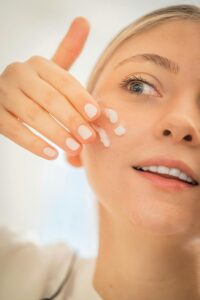
Double Down on Cleansing, But Do It Gently
Summer calls for more thorough cleansing, but there is a big difference between thorough and aggressive. Washing your face more often or using harsh cleansers can strip your skin of its natural barrier, making it more vulnerable to sun damage, irritation, and breakouts.
The goal with summer cleansing is to remove sweat, excess oil, sunscreen, and environmental grime without disrupting your skin’s protective barrier. A gentle foaming cleanser or a mild gel cleanser works really well for most skin types in summer.
If you wear sunscreen every day, and you should, consider double cleansing at night. This is a method that has been popular in Korean skincare for years and for good reason. The idea is simple: start with an oil-based cleanser or micellar water to dissolve sunscreen and makeup, then follow with a water-based cleanser to clean the skin itself. This combination is far more effective at removing everything than a single cleanse, and it leaves your skin clean without feeling stripped.
In the morning, you may not need a full-on cleanser at all, especially if your skin tends to be dry or sensitive. A gentle rinse with lukewarm water followed by your usual toner or moisturizer can be plenty. Save your deeper cleanse for the evening when your skin has a full day of buildup to deal with.
One more thing: lukewarm water, not hot. Hot water disrupts your skin barrier and increases inflammation. In summer, it also feels completely unnecessary. Lukewarm or even cool water does the job just as well and your skin will thank you for it.
Exfoliate Smarter, Not Harder
Exfoliation is genuinely one of the most misunderstood steps in skincare. In summer, it becomes even more important to get right because over-exfoliating can leave your skin vulnerable and reactive, especially when UV exposure is at its highest.
Regular exfoliation removes dead skin cells that build up on the surface and can lead to dullness, clogged pores, and uneven texture. In summer, sweat and oil can accelerate this buildup, so keeping up with exfoliation helps your other products absorb better and keeps your skin looking fresh.
However, the key word here is regular, not excessive. For most people, exfoliating two to three times a week is plenty. If you are using a chemical exfoliant like an AHA (lactic acid, glycolic acid) or BHA (salicylic acid), those once or twice a week is often enough. Physical scrubs can be used once or twice a week as well, but make sure you are using something gentle and not scratching your skin aggressively.
There is one critical rule about exfoliation in summer: if you use AHAs, always wear sunscreen the following morning. AHAs make your skin more photosensitive, meaning it burns more easily. Using them without diligent sun protection during summer is a recipe for hyperpigmentation and irritation.
Salicylic acid is particularly useful in summer for those who are prone to breakouts. It is oil-soluble, which means it can actually get inside pores and clear them out rather than just working on the surface. A salicylic acid cleanser or toner used a few times a week can go a long way toward keeping breakouts at bay during the sweatier months.
Hydration from the Inside Out

You have probably heard a thousand times that you need to drink more water, but the connection between internal hydration and skin health is genuinely real and worth taking seriously in summer.
When you are dehydrated, your skin loses plumpness, elasticity, and that healthy glow. It looks dull and fine lines become more noticeable. In the heat, your body loses water much faster through sweat and respiration, so your daily water intake needs to go up to compensate.
Most adults need somewhere around two liters of water per day under normal conditions, but in summer, especially if you are active or spending time outdoors, you may need considerably more. A good rule of thumb is to check the color of your urine. Pale yellow means you are well hydrated. Dark yellow is a sign you need to drink more.
Water-rich foods are an excellent complement to drinking water. Cucumbers, watermelon, strawberries, oranges, celery, and lettuce all have extremely high water content and contribute to your overall hydration. They also tend to be packed with vitamins and antioxidants that benefit your skin directly.
Speaking of antioxidants, summer is the time to really load up on them. Free radicals generated by UV exposure cause oxidative stress in the skin, accelerating aging and increasing the risk of damage. Antioxidants like vitamins C and E, beta-carotene, and polyphenols fight back against this damage. Eating plenty of colorful fruits and vegetables, green tea, nuts, and seeds gives your skin the internal armor it needs.
Dealing with Oily and Sweaty Skin
Oiliness and sweat are probably the most common skin complaints during summer, and they are completely understandable. When your sebaceous glands go into overdrive and you are sweating from the heat, your face can feel like it needs to be washed every hour.
The truth is that managing oily summer skin is less about stripping oil away and more about balance. When you strip the skin too aggressively, it overcorrects by producing even more oil. The goal is to keep your skin clean and balanced, not squeaky dry.
Blotting papers are an absolute lifesaver for managing midday shine without disturbing your sunscreen or makeup. They absorb excess oil without stripping moisture, and you can use them as often as needed throughout the day. They are small, easy to carry, and honestly one of the most underrated summer skincare products out there.
Mattifying primers and setting sprays can also help control shine if you wear makeup. Look for formulas that contain ingredients like silica, kaolin clay, or niacinamide, which help regulate oil production and keep your skin looking more matte throughout the day.
For those who deal with sweat-induced breakouts, particularly around the forehead, jaw, and back, keeping a gentle toner or cleansing wipe with you can help. After a workout or particularly sweaty afternoon, quickly wiping down your skin and changing out of sweaty clothes prevents bacteria from sitting on the skin for too long.
Eye Cream and the Delicate Under-Eye Area
The skin around your eyes is thinner and more delicate than the rest of your face, which means it is more vulnerable to sun damage, dryness, and showing early signs of aging. Summer makes this worse because squinting in bright sunlight, wearing sunglasses that absorb heat, and the general stress of sun exposure all take a toll on this area.
A good eye cream with SPF or used under a broad-spectrum sunscreen is a smart addition to your summer routine. Look for ingredients like peptides, vitamin C, or caffeine to address puffiness, dark circles, and fine lines that can worsen with heat and lack of sleep.
Do not forget to apply sunscreen around the orbital bone (the area around your eyes) when you are doing your face. Many people miss this spot because they are afraid of getting sunscreen too close to the eye. A mineral sunscreen with gentle ingredients is usually safe to apply up to the orbital rim and is worth the extra care.
Wearing sunglasses with UV protection is also genuinely useful for the skin around your eyes, not just your eyes themselves. Good quality sunglasses block UV rays from reaching the thin skin around the eye area, reducing sun damage and the squinting that leads to crow’s feet.
Lips Need Sun Protection Too
This is a step that an enormous number of people completely overlook. The lips have almost no melanin to protect them from UV radiation, and the skin on the lips is incredibly thin and delicate. Spending time outdoors without lip protection leads to dryness, cracking, and over time, it can actually contribute to changes in the lip tissue that need medical attention.
Using a lip balm with SPF 30 or higher is the simple solution. Apply it generously and reapply often, especially after eating, drinking, or wiping your mouth. There are plenty of great options that feel smooth and comfortable, nothing like the thick, waxy lip balms of the past.
Beyond sun protection, keeping lips moisturized is important in summer too. Despite the heat, lips can get very dry because of increased UV exposure, spending time in chlorinated pools, air conditioning, and the general elements. A good hydrating lip balm used regularly throughout the day keeps them comfortable and healthy looking.
Body Skincare in Summer: Do Not Forget Below the Neck

There is a tendency to focus all summer skincare attention on the face, but your body deserves the same level of care. Sunburn on your shoulders, chest, and back is not only painful and unsightly but contributes to long-term skin damage and increases skin cancer risk.
Apply sunscreen generously to all exposed skin, including the tops of your feet, the back of your neck, your ears, and the part in your hair if you have one. These areas are frequently missed and often the first to burn.
Body moisturizing remains important in summer too. After a shower or a swim, your skin loses moisture faster. A lightweight body lotion or an aloe vera gel applied while your skin is still slightly damp helps lock hydration in without feeling heavy. Aloe vera is especially wonderful in summer because it is cooling, soothing, and incredibly effective at calming irritated or sun-exposed skin.
If you shave in summer, take extra care. Shaving removes the outermost layer of skin cells, leaving freshly shaved skin more vulnerable to sun damage. Always apply sunscreen after shaving exposed areas, and use a gentle, moisturizing shaving product to minimize irritation.
After-Sun Care: What to Do When Your Skin Has Had Too Much
Even with the best intentions and a diligent sunscreen routine, sometimes the sun wins. Maybe you lost track of time, missed a reapplication, or just got caught out on a particularly intense day. Knowing how to care for sun-exposed or sunburned skin makes a real difference in how quickly it recovers and how much damage it sustains.
The first thing to do after a day in the sun is cool the skin down. A cool shower or bath, a cool damp cloth, or simply moving into a shaded, air-conditioned space helps bring the temperature of your skin down and reduces inflammation.
Aloevera gel is one of the most effective things you can apply to sun-exposed skin. It contains compounds that reduce inflammation, soothe the skin, and promote healing. Keep a bottle in the fridge during summer for an extra cooling effect when you need it.
Avoid products with fragrances, alcohol, or harsh actives on skin that has been sunburned or heavily exposed to the sun. These ingredients will sting and can worsen irritation. Stick to gentle, calming products until your skin has had a chance to recover.
Drink extra water after a sun-heavy day. Sunburn draws fluid toward the skin surface and away from the rest of your body, leaving you more dehydrated than usual. Hydrating well in the evening and the following day helps your body and your skin recover faster.
Rethinking Your Skincare Actives in Summer
If you use actives like retinol, AHAs, or strong vitamin C serums, summer requires some thoughtfulness about how and when you use them. Many powerful skincare ingredients increase photosensitivity, which can lead to irritation, redness, and even hyperpigmentation when your sun exposure goes up.
Retinol, for example, is best used at night regardless of the season, but in summer it is especially important to pair nighttime retinol use with excellent daytime sun protection. Some dermatologists recommend reducing retinol frequency in summer, especially for those with sensitive skin or if you are spending a lot of time outdoors.
Vitamin C is actually a summer superstar when used correctly. A vitamin C serum applied in the morning under your sunscreen provides an extra layer of antioxidant protection against free radicals from UV exposure. However, vitamin C can oxidize and become less effective or even irritating when stored improperly, so keep it in a cool, dark place and check that the formula has not turned orange or brown before applying.
Niacinamide is one of the most summer-friendly actives you can use. It helps regulate oil production, reduces the appearance of pores, fades hyperpigmentation, and strengthens the skin barrier. It does not increase photosensitivity and works beautifully layered with other products. If you are looking for a reliable serum to add to your summer routine, niacinamide is an excellent choice.
Adjusting Your Makeup for Hot Weather
This one is for those who wear makeup, because summer and heavy makeup is a particularly challenging combination. Heat, sweat, and humidity break down foundation and concealer faster than any other season, and wearing full coverage products in intense heat can feel genuinely uncomfortable.
Consider lightening your makeup considerably in summer. A tinted moisturizer with SPF, a BB cream, or a light coverage foundation lets your skin breathe more and tends to look far more natural in summer light anyway. Heavy, full-coverage foundations can emphasize sweat and look cakey within hours in the heat.
Setting your makeup with a translucent powder or a setting spray designed for heat and humidity dramatically improves longevity. Primers that control oil and minimize pores are also worth having in your kit during summer months.
Consider waterproof formulas for eye makeup, especially mascara and eyeliner, if you know you will be sweating or near water. There is nothing quite as frustrating as finding mascara halfway down your cheeks after a hot afternoon.
And always, always remove your makeup thoroughly before bed. Sleeping in makeup during summer, when your pores are already working harder than usual, is a guaranteed way to invite breakouts and congestion. Make cleansing a non-negotiable part of your nighttime routine, no matter how tired you are.
Scalp and Hair Care: The Skin You Forget About
Your scalp is skin too, and it is one of the most exposed areas on your entire body during summer. Long hours in the sun without any protection can lead to sunburn on the scalp, which is incredibly uncomfortable and can actually damage hair follicles over time.
If you are going to be in direct sun for extended periods, wearing a hat is the easiest and most effective protection for your scalp. Wide-brimmed hats protect not just your scalp but your face, ears, and neck as well. They are one of the most underutilized sun protection tools available.
For the times when a hat is not practical, there are SPF sprays designed specifically for the scalp and hair. They are lightweight, do not make your hair greasy, and provide real UV protection. Apply them along your part and on any areas of the scalp that are exposed.
Salt water and chlorine from swimming can both be quite harsh on hair and can also dry out the scalp. Rinsing your hair with fresh water before swimming actually helps reduce how much chlorine or salt water it absorbs. After swimming, rinse thoroughly and follow with a nourishing conditioner to restore moisture.
Night Skincare Routine: Let Your Skin Recover While You Sleep
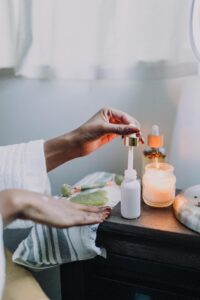
Your skin does most of its repair and renewal work at night, and a thoughtful evening routine during summer can make an enormous difference in how your skin looks and feels the next morning.
Start with a thorough double cleanse to remove all traces of sunscreen, sweat, makeup, and environmental buildup from the day. Follow with a toner or essence to rebalance your skin’s pH and provide the first layer of hydration.
This is the time to use any actives like retinol, stronger exfoliating acids, or treatment serums. Apply a lightweight serum tailored to your skin’s specific concerns, whether that is hydration, brightening, acne control, or anti-aging. Follow with your moisturizer, and if you have particularly dry areas, a light facial oil or sleeping mask once or twice a week can provide extra nourishment overnight.
Keep your evening routine gentle and restorative. After a day of battling heat, sun, and environmental stressors, your skin needs calming and rebuilding, not more aggressive treatment. The goal is to wake up with skin that feels rested, hydrated, and ready for whatever the day brings.
Common Summer Skin Concerns and How to Address Them
Hyperpigmentation and Dark Spots
Sun exposure is one of the leading triggers for hyperpigmentation. Dark spots, melasma, and post-acne marks all worsen with UV exposure, and summer can undo months of brightening progress if you are not diligent about sun protection.
Consistent broad-spectrum SPF is the foundation of any anti-pigmentation routine. Layer a vitamin C serum underneath for added antioxidant defense. If you are dealing with existing hyperpigmentation, ingredients like niacinamide, tranexamic acid, kojic acid, and azelaic acid can help fade spots over time. Be patient. These ingredients work gradually but are genuinely effective with consistent use.
Heat Rash
Heat rash happens when sweat ducts become blocked and sweat gets trapped under the skin. It appears as small red bumps or blisters and tends to occur in areas where skin rubs together or where clothing traps heat, like the neck, chest, and inner thighs.
The primary treatment is cooling and drying the affected area. Move to a cooler environment, let the area air out, and avoid heavy creams or ointments that can trap more heat. A gentle calamine lotion or hydrocortisone cream can help relieve itching. Wearing breathable, moisture-wicking fabrics in summer goes a long way toward preventing heat rash in the first place.
Acne Breakouts
Sweat, increased oil production, and sunscreen residue create the perfect environment for acne in summer. If you are prone to breakouts, a few targeted adjustments can help significantly.
Switch to non-comedogenic sunscreen (labeled as such, meaning it does not clog pores). Look for oil-free or gel-based versions. Cleanse thoroughly every evening to ensure no residue is sitting on your skin overnight. Incorporate a salicylic acid product a few times a week to keep pores clear. If breakouts are persistent, a spot treatment containing benzoyl peroxide or tea tree oil can help manage active blemishes.
Sunburn
If sunburn happens despite your best efforts, treat it gently and quickly. Cool the skin, apply aloe vera liberally, stay well hydrated, and give your skin a break from actives and heavy products until it has healed. Peeling skin should not be picked or pulled off, as this can lead to scarring and infection. Just keep the area moisturized and let it shed naturally.
Building Your Summer Skincare Routine Step by Step
Putting all of this together into an actual daily routine does not have to be complicated. Here is a simple framework that covers all the essentials for summer skin health.
Morning Routine
Start with a gentle rinse or a mild cleanser if your skin feels oily from the night before. Follow with a hydrating toner or essence to give your skin its first hit of moisture. Apply a vitamin C serum for antioxidant protection if you use one. Then comes your lightweight gel moisturizer, and finally, your broad-spectrum SPF 30 or higher. That is it. Clean, protected, and ready for the day.
Evening Routine
Begin with an oil-based cleanser or micellar water to remove sunscreen and any makeup. Follow with a gentle foaming or gel cleanser for a deeper clean. Apply your toner or essence, then any treatment serums (retinol, niacinamide, exfoliating acids). Finish with your lightweight moisturizer, and add an eye cream if that is part of your routine. A light sleeping mask once or twice a week is a lovely addition for extra recovery.
Consistency is more important than complexity. A simple routine done every day will always outperform an elaborate one that you only follow sporadically.
Final Thoughts: Enjoy Summer Without Sacrificing Your Skin

The core message here is not to be afraid of summer or to hide from the sun. It is to be prepared and intentional. Wear your sunscreen, reapply it faithfully, lighten up your products, stay hydrated inside and out, cleanse thoroughly, and listen to what your skin is telling you. When it starts feeling tight, give it more hydration. When it starts breaking out, look at your cleansing routine and the products you are using.
Your skin is remarkably adaptable and resilient when you support it properly. With the right approach, summer can actually be a season where your skin looks its best. Sun-kissed, glowing, healthy, and genuinely taken care of. That is completely achievable, and it starts with showing up for your skin every single day, one good habit at a time.
Take care of your skin this summer, and it will take care of you for years to come.