
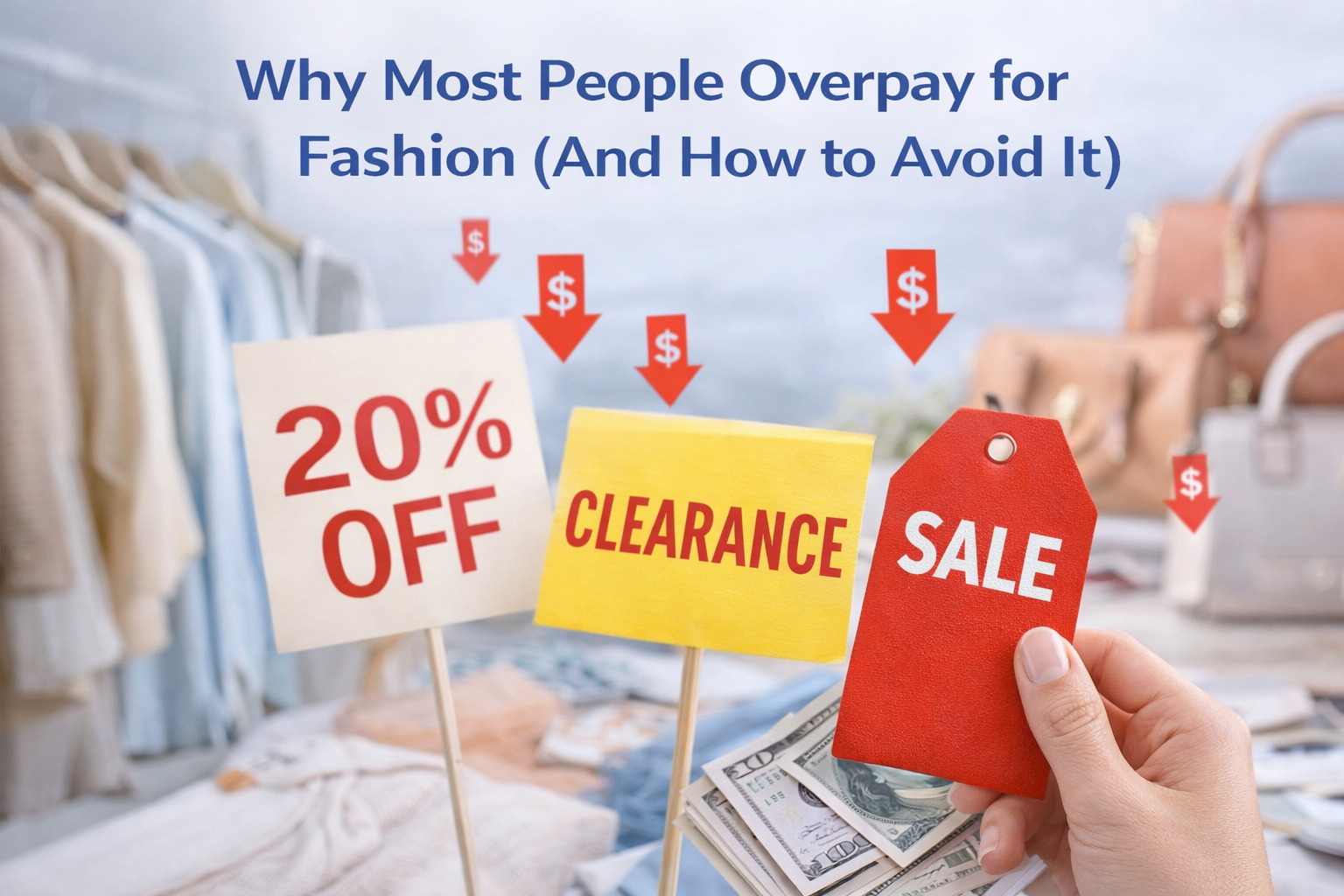
Why Most People Overpay for Fashion And How to Avoid It
Fashion is fascinating. People are constantly encouraged to update their wardrobes by new collections, seasonal trends, and influencer recommendations.
However, a lot of consumers wind up overspending on apparel. The way people shop for fashion items is often the issue rather than their cost.
You can make better purchasing decisions and create a fashionable wardrobe without going over budget if you understand why people overpay for fashion.
The Power of Marketing and Branding
Fashion brands spend a lot of money on advertising. Influencer marketing, social media promotions, and visually appealing ads frequently inflate the perceived value of products.
Although branding can indicate quality, it can also dramatically raise costs.
Instead of paying for the actual value of the product, many consumers wind up paying for brand perception.
Instead of just concentrating on the brand name, it is beneficial to assess the clothing’s quality, materials, and durability before making a purchase.
Buying Impulsively During New Releases
In order to create a sense of urgency and excitement, Fashion brands regularly release new collections.
Customers frequently pay full price when they purchase a product right away after it launches.
However, during seasonal sales or promotional campaigns, a lot of fashion items are later discounted.
You can save a lot of money without losing out on the same things if you wait for the right moment.
Ignoring Seasonal Sales Opportunities
Purchasing at the wrong time is one of the most common causes of overpaying.
Fashion retailers run sales during:
- Clearances at the end of the season
- Promotions for holidays
- Special occasions for shopping
The same products are frequently offered at significantly lower prices during major discount periods.
Clothing costs can be significantly decreased by scheduling purchases around these occasions.
Not Comparing Prices Across Stores
On various platforms, the same fashion item may occasionally be offered at different prices.
Many consumers don’t check other retailers before making a purchase from the first website they visit.
Better bargains, special offers, or extra discounts can be found by quickly comparing stores.
This tiny action can result in appreciable savings.
Falling for Fake Discounts
Large percentage discounts that might not actually be savings are displayed by some online retailers.
Retailers sometimes raise the initial price before implementing a discount to make the offer seem more alluring.
Instead of depending solely on the advertised discount percentage, smart consumers pay attention to the final price and compare it with comparable products.
Overlooking Quality and Fabric Details
Another common mistake is focusing only on price or brand name while ignoring product quality.
Important factors to consider when purchasing Fashion:
- Fabric composition
- Stitching quality
- Durability
- Comfort and fit
A slightly more expensive item made with better materials may last much longer than a cheaper alternative.
Choosing quality pieces can actually reduce long term clothing costs.
Following Trends Too Quickly
Fashion trends change quickly.
When shoppers constantly chase the newest trend, they often buy clothing that goes out of style within a short period of time.
Building a wardrobe around classic and versatile pieces can help you stay stylish without frequently replacing items.
Timeless clothing choices usually offer better long term value.
Smart Ways to Avoid Overpaying for Fashion
Saving money on fashion does not mean sacrificing style.
Here are a few practical strategies:
- Plan clothing purchases instead of buying impulsively
- Compare prices across multiple stores
- Look for seasonal promotions and verified discounts
- Prioritize quality materials over fast changing trends
- Research reviews before buying online
These simple habits can help you build a wardrobe that is both stylish and budget friendly.
Final Thoughts
Overpaying for fashion is more common than many people realize. Marketing strategies, impulse buying, and poor timing often lead shoppers to spend more than necessary.
By taking a more thoughtful approach to shopping, you can enjoy fashion while keeping your spending under control.
When you focus on value, quality, and smart timing, it becomes much easier to find clothing that looks great without stretching your budget.
We write rarely, but only the best content.
