
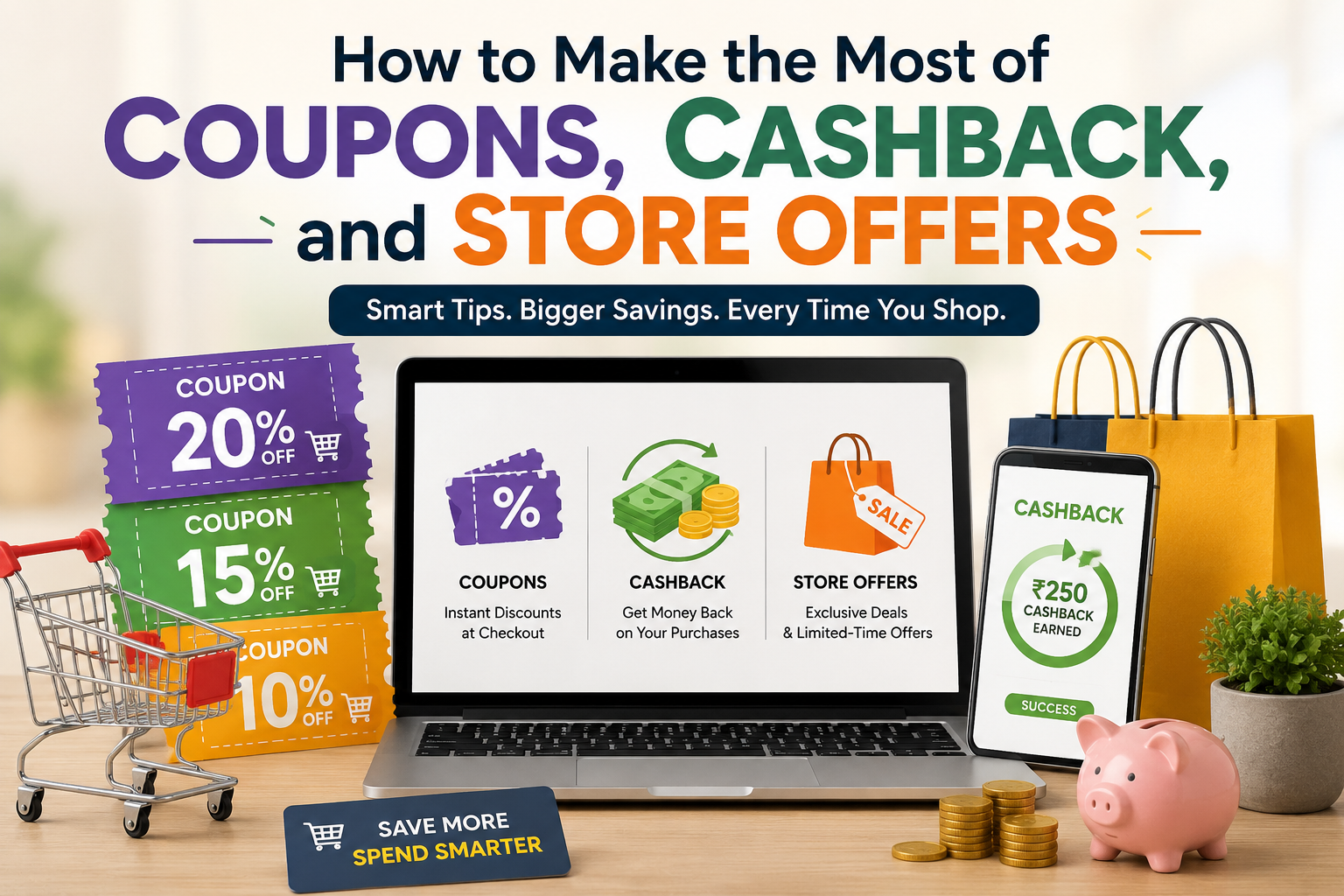
What has changed is the method. Clipping coupons from the Sunday paper has largely given way to browser extensions, cashback apps, and digital wallets that stack savings automatically. If you want to stretch your paycheck further without overhauling how you shop, this guide walks through the tools, strategies, and habits that actually move the needle in 2026.
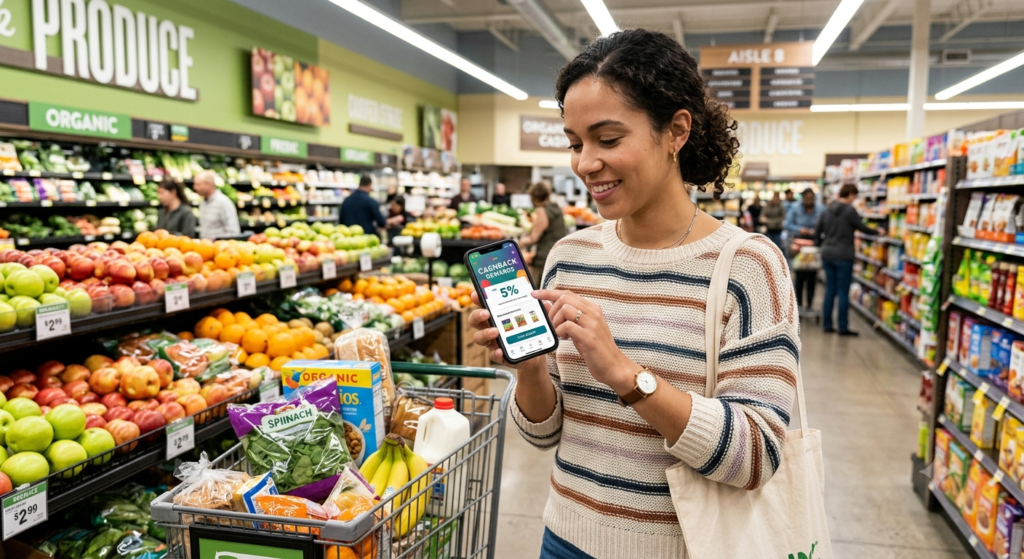
You don’t need to become a full-time deal hunter to benefit from any of this. Most of the savings described in this guide come from setting up a few tools once and then letting them work quietly in the background every time you shop. The goal is a routine that fits into your life, not one that takes it over.
A Quick Snapshot of Where Coupon and Cashback Trends Stand
It helps to understand the bigger picture before diving into specific tools. A few patterns show up consistently across recent consumer research:
- Digital redemptions have overtaken paper coupons, and that gap keeps widening year over year.
- Smartphones are now the dominant way people redeem digital coupons, with the vast majority of digital coupon users doing so on a phone rather than a desktop or printed voucher.
- Percentage-off discounts remain the most preferred coupon format among shoppers, followed closely by buy-one-get-one offers.
- Coupon use skews slightly younger, with adults in their thirties and forties reporting some of the highest usage rates, though older shoppers use coupons at meaningful rates too.
- A number of legacy cashback apps have consolidated or shut down their standalone consumer products in recent years, with some of that technology folded into bank apps instead. It’s a reminder to periodically check that the tools you rely on are still active.
None of these numbers are a guarantee of how much any individual shopper will save. They’re a general reflection of where consumer habits are headed, and they explain why more retailers keep investing in digital offers rather than pulling back on them.
Why Coupons and Cashback Still Matter in 2026
It’s fair to ask whether coupon clipping is worth the effort when prices already feel unpredictable. The data suggests it is, especially now that most of the work is automated. Digital coupon redemption has been climbing steadily, and mobile devices now account for the vast majority of that activity, with smartphone redemption rates reported in the low 90s as a percentage of all digital coupon users.
A few reasons this trend keeps growing:
- Automation removes the friction. Browser extensions and apps apply codes and track cashback without you having to search manually.
- Retailers rely on digital offers to compete. Loyalty apps, personalized promo codes, and app-exclusive deals have become standard retention tools for grocery chains, pharmacies, and big-box stores.
- Inflation reshaped habits. Many shoppers who never bothered with coupons before started using them again once prices on essentials rose, and the habit has stuck even as inflation has cooled somewhat.
None of this means coupons and cashback are free money with no strings attached. Some research indicates that shoppers who use coupons tend to spend more overall than those who don’t, likely because a discount can nudge people toward buying items they didn’t originally plan to purchase. The strategies below are built around avoiding that trap while still capturing real savings.
Understanding the Different Types of Savings Tools
Before you can stack offers effectively, it helps to know what you’re actually stacking. These tools work differently, and mixing them up is the most common reason people leave money on the table.
Traditional Coupons
Percentage-off and dollar-off coupons still exist in printed circulars, store apps, and manufacturer websites. Percentage-off deals remain the most popular format among shoppers, with buy-one-get-one offers a close second in terms of consumer preference.
Digital and Promo Codes
These are the codes you enter at online checkout, often surfaced automatically by a browser extension. They’re typically time-limited and tied to a specific retailer or product category.
Cashback Apps and Browser Extensions
Rather than reducing your price at checkout, these tools return a percentage of what you spent, usually as a rebate paid out weekly, monthly, or once you hit a payout threshold. Some work through a shopping portal you click before you buy, while others link to a loyalty card or scan a receipt after the fact.
Store Loyalty Programs
Grocery and pharmacy chains increasingly bundle personalized coupons, fuel points, and member-only pricing into a single loyalty account. These programs often unlock better prices than a non-member would see on the shelf.
Credit Card Rewards
Cash back credit cards, including flat-rate options and rotating bonus categories, add another layer of savings on top of coupons and app-based cashback, as long as the balance is paid off in full each month to avoid interest charges.
Cardlinked and Bank Offers
Most major banks now run their own version of a card-linked offer program, where you browse deals inside your banking app, activate the ones you want, and the discount or cashback applies automatically the next time you use that card at a participating merchant. These tend to be underused simply because people don’t think to check their banking app for deals, but they require no extra download and no receipt uploads.
Knowing which category a deal falls into matters because it changes how you claim it. A coupon reduces your price before you pay. Cashback returns money after you pay. Loyalty pricing often requires you to be signed into an account at checkout to see the discounted price at all. Mixing these up is one of the most common reasons people think an offer “didn’t work” when really they just claimed it the wrong way.
The Best Coupon and Cashback Apps Worth Trying
There isn’t one app that works best for everyone. The right combination depends on where you shop and what you buy most often. Here’s a practical breakdown of the categories and some of the more established names in each one, based on how they currently operate.
| Tool Type | How It Works | Good For |
|---|---|---|
| Shopping portals (e.g., Rakuten) | Click through the app or extension before shopping online; cashback is credited after purchase | Online shopping across a wide network of retailers |
| Browser extensions (e.g., Capital One Shopping) | Automatically searches and applies coupon codes at checkout, plus offers cashback | Hands-free savings while shopping on a desktop or laptop |
| Receipt-scanning apps (e.g., Ibotta, Fetch) | Scan a paper receipt or link a store loyalty card to unlock rebates on specific products | Grocery shopping and household staples |
| Location-based apps (e.g., Upside) | Shows nearby gas stations, restaurants, and stores offering cashback, claimed before you pay | Gas purchases and dining out |
| Bank card-linked offers (e.g., Chase Offers, BankAmeriDeals) | Activate an offer inside your banking app; discount applies automatically when you pay with that card | Shoppers who want savings without downloading extra apps |
A quick but important note: some older cashback apps have shut down or changed how they operate. Dosh, for example, discontinued its standalone consumer app and now exists mainly as background technology inside partner banking apps. Before you commit time to setting up any app, it’s worth checking that it’s still active and confirming its current payout terms directly on the provider’s website, since rates and bonuses change fairly often.
How to Stack Coupons, Cashback, and Store Offers Together
The real savings usually come from layering several discounts on the same purchase, not from relying on one tool alone. Here’s a general order that tends to work well for online and in-store shopping.
For Online Purchases
- Start with a shopping portal or browser extension to activate cashback before you begin browsing.
- Apply a manufacturer or store coupon code at checkout, letting the extension search for one automatically if it can.
- Pay with a cash back credit card so you earn a percentage on top of everything else.
- Check for a card-linked offer through your bank app, since many of these can be activated in advance and applied without any extra steps at checkout.
For In-Store and Grocery Shopping
- Load digital coupons to your store loyalty account ahead of time, since many chains only honor coupons that were clipped digitally before the visit.
- Check receipt-scanning apps for cashback offers on items already on your list.
- Use a location-based app if you’re also filling up on gas or grabbing a meal nearby.
- Pay with a rewards card that offers a bonus category for groceries, gas, or dining, whichever applies.
Not every combination will work every time. Some retailers block stacking a coupon code with a portal-based cashback click, and some card issuers restrict combining their own offers with third-party discounts. When in doubt, place a smaller test order or check the retailer’s coupon policy before assuming every layer will apply.
Timing Your Purchases Around Sales Cycles
Stacking tools is only half the equation. When you buy often matters as much as how you buy. Retailers tend to run predictable promotional cycles, and pairing those cycles with your coupon and cashback stack tends to produce the biggest savings.
- Seasonal clearance windows. Apparel, patio furniture, and holiday decor typically see the deepest markdowns right after the relevant season ends, not during it.
- Major shopping events. Cashback rates on shopping portals often increase temporarily around big retail events like back-to-school season, Black Friday, and end-of-year clearance, so it’s worth checking your usual apps for elevated rates during these windows rather than assuming the rate is always the same.
- Grocery loss leaders. Weekly grocery circulars often feature a handful of steeply discounted items meant to draw shoppers in. Pairing these with a manufacturer coupon or a receipt-scanning app offer on the same product is often called “stacking a loss leader,” and it’s one of the more reliable ways to get a household staple close to free.
- End-of-month and end-of-quarter timing. Some retailers and card issuers push extra promotions near the end of a sales period to hit internal targets, which can mean slightly better terms if you’re flexible about exactly when you buy.
None of this means you should delay a purchase indefinitely waiting for the “perfect” discount. If an item is something you need now, a modest cashback or coupon is still worth capturing. Timing strategies work best for planned or discretionary purchases where waiting a few weeks doesn’t cost you anything.
Comparing Cashback Payout Methods
Not all cashback pays out the same way, and this affects how quickly you can actually use the money you’ve earned. Before committing to an app, it’s worth understanding how and when it releases funds.
| Payout Method | Typical Timing | Things to Watch For |
|---|---|---|
| Direct bank transfer or PayPal | Often quarterly, though some apps offer faster options | Minimum payout thresholds and possible transfer fees |
| Gift cards | Usually available once a lower balance threshold is met | Value may be locked to specific retailers |
| Points or rewards currency | Accumulates continuously, redeemed on request | Point values can fluctuate and some programs impose expiration dates |
| Statement credit (card-linked offers) | Usually applied automatically within a few days to a couple of weeks | Requires using the specific linked card for the purchase |
If getting cash quickly matters to you, prioritize apps with low minimum thresholds and direct bank transfer options over ones that lock your earnings into gift cards or slow-moving points systems.
Common Mistakes That Cost Shoppers Money
Even experienced deal hunters fall into a few predictable traps. Watching for these can save more than chasing one more app ever will.
- Buying things you don’t need because there’s a discount. Research suggests a meaningful share of shoppers make unplanned purchases simply because a coupon was available. A discount on something you weren’t going to buy anyway isn’t really a saving.
- Letting cashback balances sit unclaimed. Many apps require you to actively request a payout once you hit a minimum threshold. Set a calendar reminder to cash out regularly.
- Forgetting expiration dates. Digital coupons and app-based offers often expire faster than people expect, sometimes within days of being issued.
- Ignoring the fine print on exclusions. Some cashback offers exclude sale items, gift cards, or specific product categories. Reading the terms before you buy avoids disappointment at payout time.
- Running multiple overlapping accounts you never use. It’s tempting to download every cashback app that gets recommended, but managing five apps for a few dollars each is rarely worth the mental overhead. Two or three tools that fit your actual shopping habits will usually outperform a cluttered phone full of apps you open once.
How Coupons and Cashback Fit Into a Broader Budget
It’s worth stepping back and putting these tools in context. Coupons and cashback are a way to spend a little less on purchases you were already planning to make. They work best as a complement to a broader budget, not as a replacement for one.
A few ways to keep this balanced:
- Build your shopping list first, then look for discounts on those specific items. Searching for deals before you know what you need tends to lead to impulse buys.
- Set a rough monthly savings goal so you have a sense of whether your coupon and cashback habit is actually adding up, rather than just assuming it is.
- Track where the savings actually go. Some people redirect cashback payouts straight into a savings account, which turns small, scattered rebates into a more meaningful lump sum over time.
- Remember that store credit and gift card rewards aren’t the same as cash. They’re still valuable, but factor in that they typically only work at one retailer.
If you ever find that hunting for deals is adding stress rather than relieving it, that’s a sign to simplify your approach. A smaller, well-managed set of tools beats a sprawling one that eats up more time than it saves in money.
Building a Simple, Sustainable Savings Routine
The shoppers who save consistently tend to treat coupons and cashback as a habit built into their existing routine, not a separate research project every time they shop. A few practices that make this easier:
- Pick one browser extension and let it run in the background rather than manually searching for codes every time you check out.
- Match apps to your actual spending categories. If you rarely drive, a gas-focused app isn’t worth your time. If you shop online often, a shopping portal or extension will do more heavy lifting.
- Set a monthly check-in to review pending cashback, request payouts, and clear out unused loyalty accounts.
- Keep a running list of go-to retailers where you know your stacking combination works, so you’re not reinventing the process each time.
- Pay off credit card balances in full. Any cashback earned on a card is generally offset, often several times over, by interest charges if the balance carries month to month.
Staying Safe While Chasing Deals
The more popular coupon and cashback apps become, the more scam listings and fake extensions tend to show up trying to imitate them. A few precautions are worth building into your routine:
- Download apps and extensions only from official app stores or the provider’s verified website.
- Avoid entering payment or banking details into any coupon website that isn’t a recognized retailer or established app.
- Be cautious with browser extensions that request broad permissions to read and change data on every site you visit, and remove ones you no longer use.
- Watch for coupon codes shared through unsolicited texts or social media messages promising unusually large discounts, since these are a common phishing tactic.
This is general safety guidance rather than a substitute for reviewing the privacy policy or terms of any specific app before you use it. When in doubt, a quick search for recent reviews or news about a specific app or extension can tell you whether other shoppers have run into problems with it recently.
It’s also worth doing a periodic cleanup of the extensions and apps you’ve granted access to your accounts over time. Deals apps go through consolidations, ownership changes, and occasional shutdowns fairly often, and an app that was reputable a couple of years ago isn’t guaranteed to still be actively maintained today. A few minutes reviewing your installed extensions and connected apps every few months is a small habit that meaningfully reduces risk.
Frequently Asked Questions
Are cashback apps actually worth using?
For most people, yes, especially since many apps run passively in the background once set up. The savings tend to be modest per purchase, often adding up to a modest amount each month rather than a dramatic sum, but with little ongoing effort required, that stacks up over a year.
Can I use a coupon code and a cashback app at the same time?
Often yes, though it depends on the retailer and the specific offer. Some stores block stacking a promo code with a shopping portal click, so it’s worth testing with a smaller order first if you’re unsure.
Why didn’t my cashback get credited after a purchase?
This usually happens when an ad blocker interferes with the tracking link, when you navigate away before the portal confirms the click, or when the purchase falls into an excluded category like gift cards or clearance items. Most apps have a support process for reporting missing cashback, typically within a set window after the purchase date.
Do coupons and cashback offers expire?
Yes, and expiration windows vary widely. Some digital coupons last just a few days, while others run for a full promotional cycle. Checking the expiration date before adding an item to your cart can save you from an offer disappearing at checkout.
Is it better to use a cashback app or a rewards credit card?
They’re not mutually exclusive. Many shoppers use both together: activate cashback through an app or portal, then pay with a rewards credit card to earn a second layer of savings, as long as the card balance is paid off in full to avoid interest.
How do I know if a coupon or cashback site is legitimate?
Stick to well-known, established apps and extensions, check recent reviews, and be wary of any site asking for sensitive financial information upfront. If an offer seems unusually generous compared to everything else available, it’s worth double-checking before entering any personal details.
Do coupons actually make me spend more overall?
They can, if you let a discount talk you into buying something that wasn’t already on your list. The way to avoid this is simple: decide what you need first, and only then check whether a coupon or cashback offer applies to it.
What’s the difference between a coupon and a cashback offer?
A coupon lowers the price you pay at checkout. Cashback returns a portion of what you already paid, usually after some processing time. Both can often be used on the same purchase, but they work through separate systems and are claimed differently.
Final Thoughts
Coupons, cashback, and store offers work best when they fit quietly into how you already shop rather than becoming a project of their own. Pick a small set of tools that match your actual spending, whether that’s a browser extension for online orders, a receipt-scanning app for groceries, or a card-linked offer through your bank, and let them do the repetitive work. The goal isn’t to chase every discount available. It’s to consistently capture the ones that were already going to fit your budget, and let those modest savings add up over time.
