


Whether you are booking a quick weekend getaway or a two week international trip, the choices you make weeks or even months before you leave have a bigger impact on your final bill than almost anything you do once you land. This guide walks through practical, up to date vacation planning tips for 2026, from timing your flight purchase to picking the right season, so you can travel more often without draining your savings account.
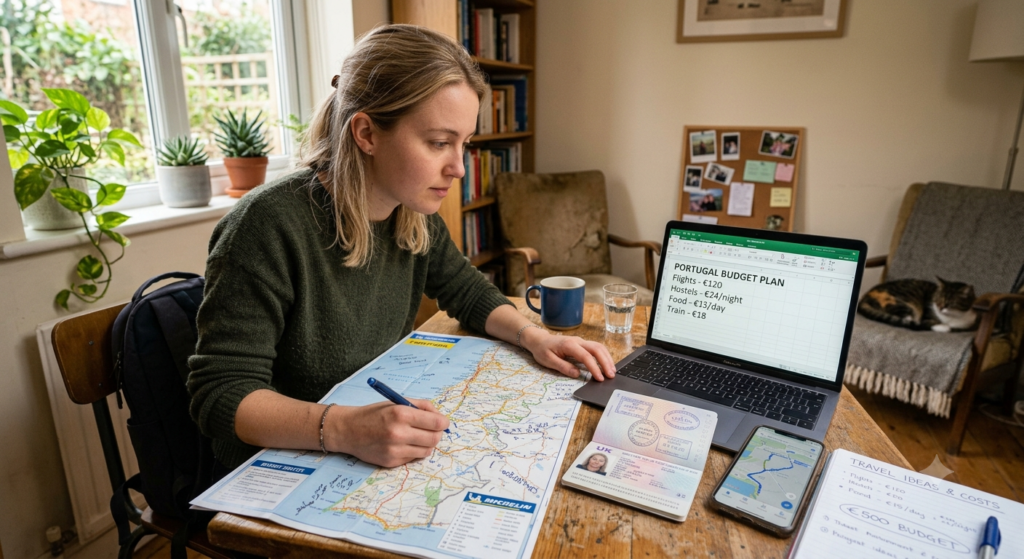
Why Smart Vacation Planning Matters More in 2026
Travel demand has stayed strong even as costs rise, and that combination is exactly why planning ahead pays off. Many travelers report that trips feel less affordable than they did just a year or two ago, and rising fuel costs have pushed airfare higher across the board. At the same time, people are not giving up on travel. Instead, they are getting more deliberate about how they spend, prioritizing meaningful experiences while cutting costs in areas that matter less to them.
This shift shows up in a few clear patterns worth knowing before you start booking:
- More travelers are setting a spending range first and then choosing a destination that fits, rather than falling in love with a place and trying to make the budget work afterward.
- Domestic trips and road trips are gaining popularity as travelers look for ways to manage costs and avoid the uncertainty that can come with international travel.
- Shoulder season travel, once a niche strategy, has become mainstream as people look for lower prices and smaller crowds at the same time.
- Interest in secondary airports and lesser known destinations is rising sharply, as travelers search for alternatives to overcrowded, overpriced hot spots.
None of this means travel has to feel restrictive. It just means the smartest travelers are treating trip planning like a puzzle worth solving, not an afterthought.
Set Your Travel Budget Before You Pick a Destination
One of the simplest mindset shifts that saves the most money is deciding on your budget first. Instead of Googling flights to a dream destination and then figuring out how to afford it, start with a number you are comfortable spending, then let that number guide where you go.
This approach reduces stress and prevents the common trap of overspending on one part of the trip, like a flight, and then scrambling to cut corners everywhere else. A workable budget generally accounts for:
- Transportation, including flights, trains, or fuel and tolls for a road trip
- Accommodation, including taxes and resort or service fees that are not always shown upfront
- Food and daily spending money
- Activities, tours, and entrance fees
- Travel insurance, if you choose to purchase it
- A buffer for the unexpected
That last point matters more than people tend to give it credit for. A missed connection, a sudden rate change, or a closed restaurant that forces a pricier dinner option can throw off a tightly planned budget fast. Building in a modest cushion, even ten percent of your total budget, means a small hiccup does not turn into a stressful money problem halfway through your trip.
Time Your Flight Booking for Maximum Savings
Airfare is usually the single biggest line item in a vacation budget, which makes it the place where smart timing pays off the most. The old advice about booking on a specific day of the week has mostly been debunked. Prices change constantly, sometimes more than a hundred times over the life of a single fare, and no single day consistently beats the others by a meaningful margin.
What actually matters more is how far ahead of your trip you book.
How Far in Advance Should You Book
Multiple major booking platforms have studied this in detail, and while the exact numbers vary slightly between sources, the general pattern is consistent:
- Domestic flights tend to be cheapest when booked roughly one to three months before departure, with the sweet spot often falling between three and five weeks out.
- International flights usually reward earlier planning, generally two to six months ahead, though some studies have found short notice international deals appear in the eighteen to twenty nine day window as airlines try to fill remaining seats.
- Peak periods like major holidays, summer break, and spring break call for booking earlier than usual, since demand outpaces supply quickly during these windows.
Booking too far in advance, such as six months or more out for a domestic flight, rarely helps. Airlines typically have not released their lowest fare tiers yet, so early birds do not always get the best deal. The real risk zone is waiting too long. Prices tend to climb sharply inside the final two to three weeks before departure as remaining seats get scooped up by less price sensitive travelers.
Does the Day You Fly Actually Matter?
It can, though the savings are modest rather than dramatic. Recent airline data suggests midweek departures, particularly Tuesday and Wednesday, along with Saturday flights, tend to run a bit cheaper than weekend travel, since business travelers cluster around Monday and Friday departures. If your schedule allows flexibility, shifting your travel dates by even a day or two can meaningfully lower your fare, especially on international routes.
Practical Ways to Save on Airfare
- Set fare alerts through Google Flights or a dedicated deals app so you get notified when prices drop instead of checking manually every day.
- Search in incognito mode occasionally, not because it reliably changes prices, but because it prevents your search history from influencing the results you see.
- Compare nearby or secondary airports. Flying into a smaller regional airport near your destination can sometimes cost significantly less than the main hub.
- Stay open to red eye or early morning flights, which are often priced lower than midday departures.
- Consider booking a flight on the holiday itself. Flying on Thanksgiving Day or New Year’s Day, rather than the days surrounding it, can lead to noticeably lower fares.
- If a fare drops after you book, check whether your airline offers a travel credit for the difference. Many carriers do, as long as you did not book the most restrictive basic economy fare.

Travel During Shoulder Season Instead of Peak Season
If there is one habit that separates budget conscious travelers from everyone else, it is a willingness to travel slightly off the beaten calendar. Shoulder season, the period just before or after a destination’s peak tourist months, tends to offer a noticeably better balance of price, weather, and crowd levels.
Traveling in shoulder season commonly comes with these advantages:
- Lower airfare and hotel rates, sometimes twenty to forty percent below peak pricing in popular destinations
- Shorter lines at major attractions and easier restaurant reservations
- More availability at well rated hotels, rather than settling for whatever is left
- A more relaxed overall pace, since destinations are not stretched to capacity
In Europe, for example, April through May and September through October are widely considered the classic shoulder season windows, offering pleasant weather without the July and August crowds. Similar patterns show up around the world. Southeast Asia has its own shoulder windows just before and after the rainy season, and many U.S. National Parks are noticeably quieter and cheaper to visit in late spring or early fall than during the peak of summer.
Summer travel remains popular for obvious reasons, particularly for families tied to a school calendar, but if your schedule has any flexibility at all, shifting your trip by even a few weeks outside the absolute peak can make a real difference in your total cost.
Consider Alternative and Emerging Destinations
Chasing the same handful of famous cities every year almost guarantees you will pay a premium. A growing number of travelers are instead looking at destinations that offer a similar experience to a popular hot spot without the inflated price tag or the crowds.
A few ways to apply this idea:
- Look at the town next door. Smaller towns near major tourist destinations frequently offer similar scenery, culture, or food at a noticeably lower cost, with the option to visit the famous spot as a day trip.
- Watch for new flight routes. Airlines have been expanding service to smaller and less obvious cities, which often means better fares and less competition for hotel rooms in those areas.
- Search flexible date and destination tools. Many flight search engines let you search “everywhere” from your home airport within a set budget, which is a fast way to discover affordable options you had not considered.
- Stay open to secondary airports near well known destinations, since fares into smaller regional airports are often meaningfully cheaper than flying directly into a major hub.
This does not mean you need to abandon your dream destination entirely. It simply means building in some flexibility around exactly where and how you get your travel fix can unlock real savings.
Smart Accommodation Booking Strategies
Hotel and rental prices deserve just as much attention as flights, since fees and add-ons can quietly inflate the total cost well beyond the advertised nightly rate.
Compare the Full Cost, Not Just the Nightly Rate
A room that looks cheap on the search results page is not always the better deal once you factor everything in. Before booking, check for:
- Resort fees or destination fees, which are common in some markets and are not always shown until checkout
- Parking costs, especially in cities where street parking is limited
- Whether breakfast or Wi-Fi is included
- Cancellation policy, since a slightly higher refundable rate can be worth it if your plans might shift
- Distance from where you actually plan to spend time, since a cheap room far from everything can lead to higher transportation costs
Other Ways to Save on Where You Stay
- Book directly with the hotel when possible, since many offer perks like free breakfast or room upgrades that are not available through third party sites.
- Consider vacation rentals for longer stays or group trips, where the cost per person often beats multiple hotel rooms.
- Look into loyalty program status, even at the entry level, since many programs offer free perks like late checkout or waived fees at no extra cost.
- Be cautious with the very cheapest listings. A significantly below market price sometimes signals a poor location, hidden fees, or an outdated property.
Use Travel Rewards, Points, and Credit Cards Wisely
Points and miles remain one of the most effective ways to lower the real cost of travel, particularly for flights and hotel stays during peak season when cash prices spike. A few guiding principles apply regardless of which loyalty programs you use:
- When cash fares are unusually high, that is often the moment to use points instead of cash, since award pricing does not always move in lockstep with cash prices.
- Book award flights early. Unlike cash fares, which sometimes drop closer to departure, award seat inventory tends to shrink the longer you wait, particularly on popular routes.
- Pay attention to card renewal fees against the value of the perks you actually use. A travel card is only a good deal if you are using the benefits that justify its cost.
- Set a plan for redeeming points before they expire or lose value, since many loyalty programs adjust their redemption charts periodically.
If you are new to travel rewards, you do not need a complicated points strategy to benefit. Simply putting everyday spending on a card that earns flexible travel points, then redeeming those points for a flight or hotel stay you would have paid cash for anyway, is often enough to meaningfully lower your travel costs over a year.
Pack Smart and Avoid Extra Fees
Baggage fees, seat selection charges, and other add-ons can add a surprising amount to what looked like an affordable flight. A little bit of planning goes a long way here.
- Check your airline’s carry-on and personal item size limits before you pack, since enforcement has gotten stricter on many budget carriers.
- Weigh checked bags at home if you are close to the limit, since overweight fees at the airport are almost always higher than paying for the extra allowance in advance.
- Pack versatile clothing you can mix and match, which reduces how much you need to bring and lowers the odds of needing a checked bag at all.
- Bring a reusable water bottle and empty it before security, then fill it at a fountain past the checkpoint to avoid buying bottled water at airport prices.
- Download offline maps, translation tools, and entertainment before you leave, which can reduce your reliance on expensive international data plans.
Budget for Food and Local Experiences
Food and activities are where many travelers either save a lot of money or lose control of their budget entirely, often without realizing it until the trip is over.
A few habits that help:
- Eat like a local. Restaurants a few blocks from major tourist attractions are almost always cheaper and often better than the ones directly next to them.
- Look for lunch specials. Many restaurants, particularly in Europe, offer a discounted fixed price lunch menu that is nearly identical to the pricier dinner offering.
- Stay somewhere with a kitchen, even a basic one, if you are traveling for more than a few days. Making breakfast or a simple dinner a couple of times during the trip adds up to real savings.
- Look into city tourism cards if you plan to visit several paid attractions, since bundled passes can be cheaper than paying for each entry separately.
- Balance paid activities with free ones. Many cities offer free walking tours, public parks, markets, and museums with free entry days.
Build a Travel Buffer Fund
Even the most carefully planned trip can run into a surprise cost. A delayed flight might mean an unplanned hotel night. A closed trail might mean paying for a different activity instead. Setting aside a buffer, separate from your main trip budget, means these moments do not turn into financial stress.
This buffer is best reserved for things like:
- Missed connections or last minute transportation changes
- Weather related itinerary adjustments
- Minor medical needs, like an unexpected pharmacy stop
- A splurge you did not plan for but do not want to pass up, like a once in a lifetime meal or excursion
Travel insurance is also worth considering for higher cost trips, particularly international ones, though whether it makes sense depends on your specific trip, existing coverage, and risk tolerance. It is worth comparing a few policies rather than assuming one type of coverage fits every trip.
Leverage AI and Travel Apps for Planning
Travel planning tools have become noticeably more capable, and a growing share of travelers now use some form of AI assistance when researching or booking trips. These tools will not replace good judgment, but they can meaningfully cut down the time and guesswork involved in finding a good deal.
Some practical ways travelers are using these tools:
- AI powered fare prediction tools that estimate whether a price is likely to rise or fall, helping you decide whether to book now or wait
- Hotel search features that let you filter by vibe or amenity rather than just price and star rating
- Virtual travel assistants that can suggest itineraries based on your budget, interests, and available time
- Expense tracking apps that help you monitor spending in real time during the trip, rather than discovering you went over budget after you get home
These tools are most useful as a starting point. Cross check any suggested deal against a second source before booking, since automated tools do not always account for every fee or restriction.
Peak Season vs Shoulder Season: A Quick Comparison
| Factor | Peak Season | Shoulder Season |
|---|---|---|
| Flight and hotel prices | Highest of the year | Often 20 to 40 percent lower in popular destinations |
| Crowds | Heavy at major attractions | Noticeably thinner |
| Weather | Typically ideal for the destination | Generally pleasant, with some regional variation |
| Availability | Limited, especially for popular hotels | Wider range of options |
| Booking lead time needed | Longer, due to high demand | More flexible |

A Simple Vacation Planning Checklist
- Set your total budget, including a buffer, before choosing a destination.
- Research shoulder season timing for the region you are considering.
- Set fare alerts and monitor prices for several weeks before booking.
- Compare nearby or secondary airports and flexible date options.
- Book accommodation by comparing total cost, not just the nightly rate.
- Check what your credit card or loyalty points can cover before paying cash.
- Pack to avoid baggage and fee surprises at the airport.
- Plan a mix of paid and free activities to keep daily spending balanced.
- Review your buffer fund and travel insurance needs before departure.
Frequently Asked Questions
What is the best time to book a flight to get the lowest price?
For domestic flights, booking roughly one to three months before departure tends to offer the best balance of price and availability. International flights generally benefit from booking two to six months ahead, though short notice deals do sometimes appear closer to departure. Booking too far in advance, such as six or more months out, rarely produces the lowest fare.
Is there really a cheapest day of the week to book flights?
The impact is smaller than the old advice suggests. Recent data points to Friday or Tuesday as slightly cheaper booking days on some platforms, but the difference is usually just a few percentage points. How far in advance you book matters far more than which day of the week you click purchase.
What is shoulder season and why does it save money?
Shoulder season refers to the weeks just before or after a destination’s peak tourist period. Prices for flights and hotels are typically lower during this window because demand is reduced, while weather and attraction access often remain quite good.
Should I use points and miles or pay cash for my trip?
It depends on the situation. When cash prices for flights or hotels are unusually high, redeeming points can offer better value than usual. When cash prices are already low, it may make more sense to save your points for a future trip where they stretch further.
How much should I set aside as a travel buffer?
A common guideline is around ten percent of your total trip budget, though this can vary depending on how flexible your itinerary is and whether you are traveling internationally, where disruptions can be costlier to resolve.
Are budget airlines actually worth it?
Sometimes. Budget carriers can offer meaningful savings on the base fare, but added costs for baggage, seat selection, and other extras can close the gap quickly. It is worth calculating the total cost, including everything you plan to add, before comparing it to a full service airline.
Is travel insurance necessary for every trip?
Not necessarily. Whether travel insurance makes sense depends on the cost of your trip, your existing health and credit card coverage, and how much risk you are comfortable taking on. It is worth reviewing a policy’s specific terms rather than assuming any single plan is right for your situation.
Final Thoughts
Saving money on a vacation is rarely about one big trick. It is usually the result of several smaller decisions working together: setting a realistic budget early, booking flights during the right window, choosing shoulder season when you can, and paying attention to the fees that quietly add up. None of these steps require sacrificing the quality of your trip. If anything, planning with intention tends to lead to a more enjoyable experience, since you spend less time worrying about money once you are actually there.
Start with your budget, stay flexible where you can, and give yourself enough lead time to take advantage of the pricing patterns that actually make a difference. The rest of the trip, the part you will remember, is still entirely up to you.