

Whether you are booking a quick weekend getaway or a two week international trip, the choices you make weeks or even months before you leave have a bigger impact on your final bill than almost anything you do once you land. This guide walks through practical, up to date vacation planning tips for 2026, from timing your flight purchase to picking the right season, so you can travel more often without draining your savings account.
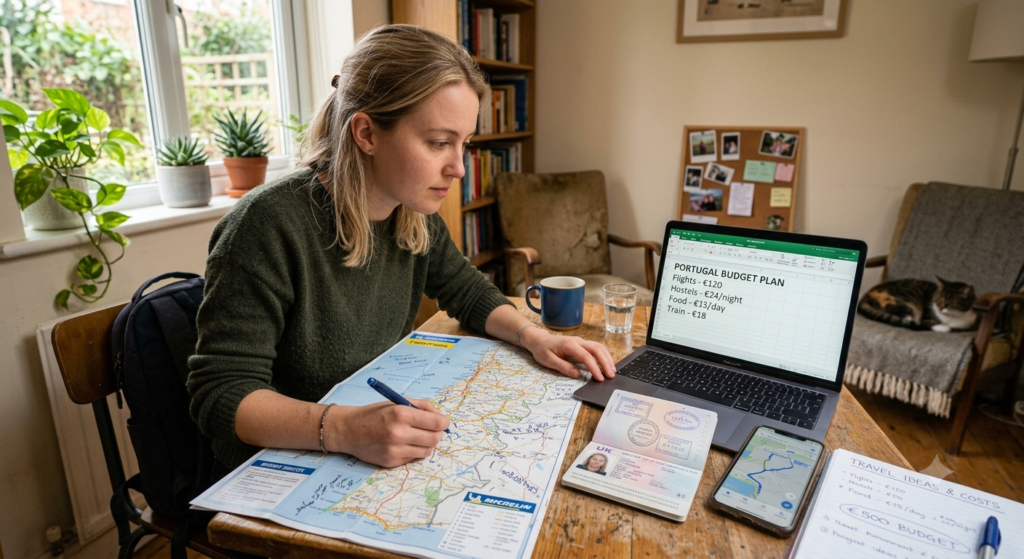
Why Smart Vacation Planning Matters More in 2026
Travel demand has stayed strong even as costs rise, and that combination is exactly why planning ahead pays off. Many travelers report that trips feel less affordable than they did just a year or two ago, and rising fuel costs have pushed airfare higher across the board. At the same time, people are not giving up on travel. Instead, they are getting more deliberate about how they spend, prioritizing meaningful experiences while cutting costs in areas that matter less to them.
This shift shows up in a few clear patterns worth knowing before you start booking:
- More travelers are setting a spending range first and then choosing a destination that fits, rather than falling in love with a place and trying to make the budget work afterward.
- Domestic trips and road trips are gaining popularity as travelers look for ways to manage costs and avoid the uncertainty that can come with international travel.
- Shoulder season travel, once a niche strategy, has become mainstream as people look for lower prices and smaller crowds at the same time.
- Interest in secondary airports and lesser known destinations is rising sharply, as travelers search for alternatives to overcrowded, overpriced hot spots.
None of this means travel has to feel restrictive. It just means the smartest travelers are treating trip planning like a puzzle worth solving, not an afterthought.
Set Your Travel Budget Before You Pick a Destination
One of the simplest mindset shifts that saves the most money is deciding on your budget first. Instead of Googling flights to a dream destination and then figuring out how to afford it, start with a number you are comfortable spending, then let that number guide where you go.
This approach reduces stress and prevents the common trap of overspending on one part of the trip, like a flight, and then scrambling to cut corners everywhere else. A workable budget generally accounts for:
- Transportation, including flights, trains, or fuel and tolls for a road trip
- Accommodation, including taxes and resort or service fees that are not always shown upfront
- Food and daily spending money
- Activities, tours, and entrance fees
- Travel insurance, if you choose to purchase it
- A buffer for the unexpected
That last point matters more than people tend to give it credit for. A missed connection, a sudden rate change, or a closed restaurant that forces a pricier dinner option can throw off a tightly planned budget fast. Building in a modest cushion, even ten percent of your total budget, means a small hiccup does not turn into a stressful money problem halfway through your trip.
Time Your Flight Booking for Maximum Savings
Airfare is usually the single biggest line item in a vacation budget, which makes it the place where smart timing pays off the most. The old advice about booking on a specific day of the week has mostly been debunked. Prices change constantly, sometimes more than a hundred times over the life of a single fare, and no single day consistently beats the others by a meaningful margin.
What actually matters more is how far ahead of your trip you book.
How Far in Advance Should You Book
Multiple major booking platforms have studied this in detail, and while the exact numbers vary slightly between sources, the general pattern is consistent:
- Domestic flights tend to be cheapest when booked roughly one to three months before departure, with the sweet spot often falling between three and five weeks out.
- International flights usually reward earlier planning, generally two to six months ahead, though some studies have found short notice international deals appear in the eighteen to twenty nine day window as airlines try to fill remaining seats.
- Peak periods like major holidays, summer break, and spring break call for booking earlier than usual, since demand outpaces supply quickly during these windows.
Booking too far in advance, such as six months or more out for a domestic flight, rarely helps. Airlines typically have not released their lowest fare tiers yet, so early birds do not always get the best deal. The real risk zone is waiting too long. Prices tend to climb sharply inside the final two to three weeks before departure as remaining seats get scooped up by less price sensitive travelers.
Does the Day You Fly Actually Matter?
It can, though the savings are modest rather than dramatic. Recent airline data suggests midweek departures, particularly Tuesday and Wednesday, along with Saturday flights, tend to run a bit cheaper than weekend travel, since business travelers cluster around Monday and Friday departures. If your schedule allows flexibility, shifting your travel dates by even a day or two can meaningfully lower your fare, especially on international routes.
Practical Ways to Save on Airfare
- Set fare alerts through Google Flights or a dedicated deals app so you get notified when prices drop instead of checking manually every day.
- Search in incognito mode occasionally, not because it reliably changes prices, but because it prevents your search history from influencing the results you see.
- Compare nearby or secondary airports. Flying into a smaller regional airport near your destination can sometimes cost significantly less than the main hub.
- Stay open to red eye or early morning flights, which are often priced lower than midday departures.
- Consider booking a flight on the holiday itself. Flying on Thanksgiving Day or New Year’s Day, rather than the days surrounding it, can lead to noticeably lower fares.
- If a fare drops after you book, check whether your airline offers a travel credit for the difference. Many carriers do, as long as you did not book the most restrictive basic economy fare.